Mind Over Medication: Understanding How Synthroid Dose Changes Affect Your Mood, Memory, and Emotional Well-Being
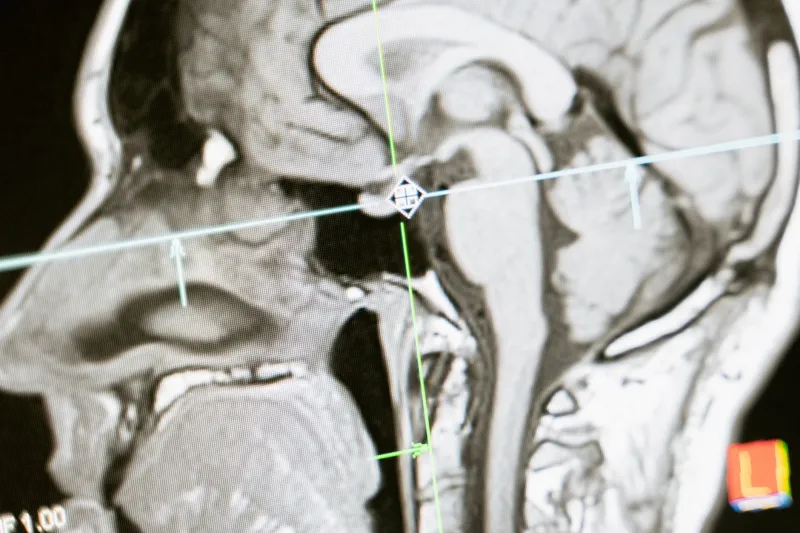
For many people managing hypothyroidism, the conversation with their physician centers on numbers — TSH levels, free T4 values, dosage milligrams. What often goes unaddressed is the profound influence that thyroid hormone has on the brain. When a Synthroid (levothyroxine) dose is increased, decreased, or newly initiated, patients frequently report mood disturbances, memory lapses, and emotional shifts that feel disconnected from the prescription change. In reality, these experiences are deeply connected.
Understanding this relationship does not replace professional medical guidance, but it does equip patients to have more informed conversations with their healthcare providers — and to interpret their own experiences with greater clarity.
Why the Brain Is So Sensitive to Thyroid Hormone
Thyroid hormone plays a foundational role in neurological function. Virtually every cell in the body contains thyroid hormone receptors, and brain tissue is no exception. Levothyroxine — the synthetic form of T4 that Synthroid delivers — is converted in the body to triiodothyronine (T3), the biologically active form that directly influences brain chemistry.
T3 affects the production and regulation of several key neurotransmitters, including serotonin, dopamine, and norepinephrine. These chemical messengers govern mood stability, motivation, attention, and emotional resilience. When thyroid hormone levels shift — even modestly — the brain's neurochemical environment shifts with them. This is not a minor side effect. It is a physiological consequence of how tightly the thyroid system and the central nervous system are integrated.
What Happens During a Dose Adjustment
When a physician adjusts a Synthroid prescription — whether upward or downward — the body does not adapt instantaneously. Thyroid hormone levels change gradually over days to weeks, and the brain must recalibrate in response. This recalibration period is when psychological symptoms are most likely to surface.
After a dose increase, some patients report feelings of restlessness, heightened anxiety, difficulty concentrating, or emotional volatility. These symptoms can mirror generalized anxiety disorder or even hypomania in some individuals. The underlying mechanism often involves a temporary overstimulation of the sympathetic nervous system as the body adjusts to elevated hormone levels.
After a dose decrease, the experience tends to run in the opposite direction. Patients may notice a creeping heaviness — low motivation, slowed thinking, emotional flatness, or a sadness that is difficult to attribute to any life circumstance. These symptoms can be indistinguishable from clinical depression, which creates a significant diagnostic challenge.
In both cases, the timing is a critical clue. If psychological symptoms emerge or intensify within two to six weeks of a dosage change, the adjustment itself warrants consideration as a contributing factor.
Cognitive Effects: When Memory and Focus Become Casualties
Beyond mood, thyroid hormone fluctuations can measurably affect cognitive performance. Patients in the midst of a dosing transition frequently report difficulty retaining new information, losing their train of thought mid-conversation, or experiencing a mental fogginess that impairs professional and personal functioning.
Research has consistently linked both hypothyroidism and hyperthyroidism to cognitive impairment. When Synthroid therapy is optimized, many patients experience meaningful cognitive recovery. However, during the transitional period between doses, the brain may temporarily underperform — not because of permanent damage, but because the neurological environment is in flux.
It is worth noting that not all patients experience cognitive symptoms during dose transitions. Individual factors — including age, baseline neurological health, the magnitude of the dosage change, and how quickly the body converts T4 to T3 — all influence the degree of cognitive disruption a person may experience.
Distinguishing Dose-Related Symptoms from Independent Mental Health Conditions
One of the most clinically important questions a patient can ask is whether their psychological symptoms are a product of their thyroid medication adjustment or a sign of a separate mental health condition requiring its own treatment.
Several practical considerations can help guide this distinction:
- Timing relative to the dose change. Symptoms that appear within weeks of an adjustment and gradually resolve as hormone levels stabilize are more likely to be dose-related.
- Pattern and trajectory. Dose-related mood changes tend to follow a predictable arc — emerging, peaking, and then diminishing as the body adapts. A mental health condition typically persists regardless of medication stability.
- Thyroid lab values. If TSH and free T4 levels are outside the optimal range, psychological symptoms are more likely attributable to hormonal imbalance. Symptoms that persist despite stable, well-optimized labs deserve independent psychiatric evaluation.
- Personal and family history. Individuals with a personal or family history of depression, anxiety disorders, or bipolar disorder may be more vulnerable to thyroid-related mood disruption — and may also be at greater risk for independent mental health episodes that coincide with, but are not caused by, dosage changes.
This distinction matters enormously for treatment. Attempting to manage a dose-related mood effect with psychiatric medication before allowing thyroid levels to stabilize may result in unnecessary medication exposure. Conversely, attributing a genuine mental health condition entirely to a dosage adjustment can delay appropriate care.
Having the Right Conversation With Your Provider
If you are experiencing mood changes, memory difficulties, or emotional shifts following a Synthroid adjustment, the most productive step is to document your symptoms carefully and communicate them to your prescribing physician. Keeping a brief daily log — noting mood, sleep quality, cognitive performance, and any physical symptoms — provides concrete information that can meaningfully inform clinical decision-making.
Your provider may recommend a follow-up TSH test to assess whether hormone levels have stabilized within an optimal range. In some cases, what appears to be a psychological reaction to a dose change is actually a sign that the new dose requires further refinement.
Patients should also feel empowered to ask their physician directly: Could these symptoms be related to my recent dosage change, and how long should I expect them to last? This question opens a productive dialogue and ensures that the neurological dimension of thyroid management receives the attention it deserves.
A Note on Optimal Versus 'Normal' Thyroid Levels
It is important to acknowledge that laboratory reference ranges define what is statistically common, not necessarily what is optimal for every individual. Some patients report persistent mood and cognitive symptoms even when their TSH falls within the standard reference range. This experience is legitimate and worth discussing with a knowledgeable clinician, as optimal thyroid function can vary from person to person.
This is particularly relevant for patients who feel that their emotional well-being has never fully returned to baseline since beginning thyroid replacement therapy. The goal of Synthroid treatment is not simply to achieve a number on a lab report — it is to support overall health and quality of life, which necessarily includes psychological well-being.
Moving Forward With Greater Awareness
The thyroid-brain connection is one of the most underappreciated dimensions of thyroid management. Acknowledging that Synthroid dose adjustments can produce real, measurable effects on mood, memory, and emotional regulation is not an invitation to dismiss every psychological symptom as medication-related. Rather, it is a call for greater attentiveness — from patients and providers alike — to the full scope of what thyroid hormone does in the body.
With careful monitoring, open communication, and a willingness to consider both physiological and psychological factors, patients can navigate dosage transitions with greater confidence and a clearer understanding of what their minds and bodies are experiencing.